growth + genes + I/O = microbial devices
Microbial devices combine genetically engineered cells with electronic and mechanical components to make chemical sensors and actuators. Our group develops material, genetic and fabrication approaches to enable integration of these living components into products that can be used for human health, agriculture the environment and art.
We are tackling three key challenge areas to make these products a reality:
AREA 01: keeping cells alive
GROWTH
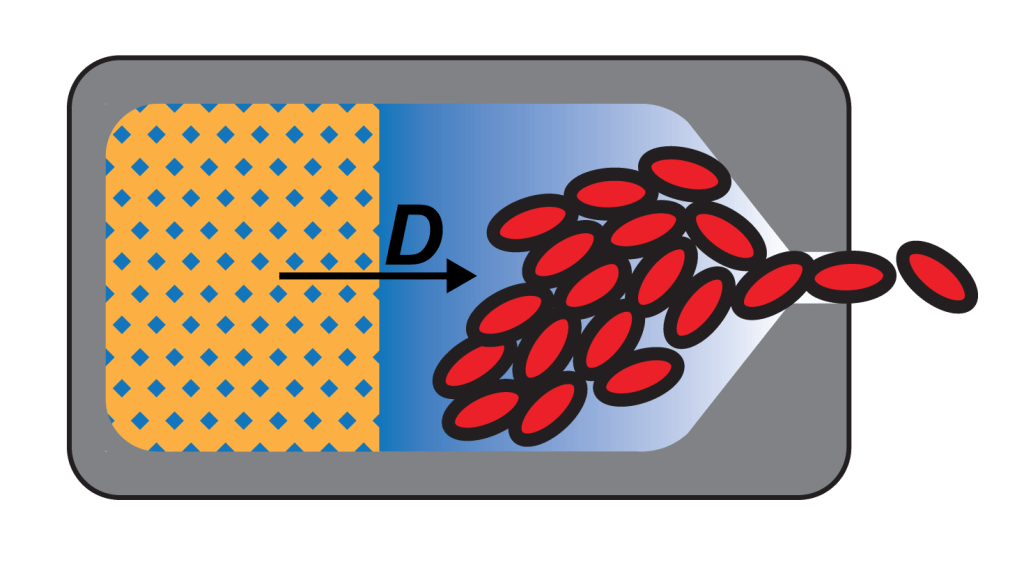
Microbial devices only work if cells are alive. However, standard culturing techniques require large volumes of growth medium for growth and cryogenic temperatures for long term storage. Even microfluidic approaches are anchored to large external pumps and reservoirs. Given these limitations, how can we support cell growth and storage for greater than 1 year in a total system volume less than 1 mL?
.
Read our recent work using material formulations that support long-term, high-temperature storage of microbial therapeutics: synthetic extremophiles
AREA 02: making genetic circuits robust
GENES
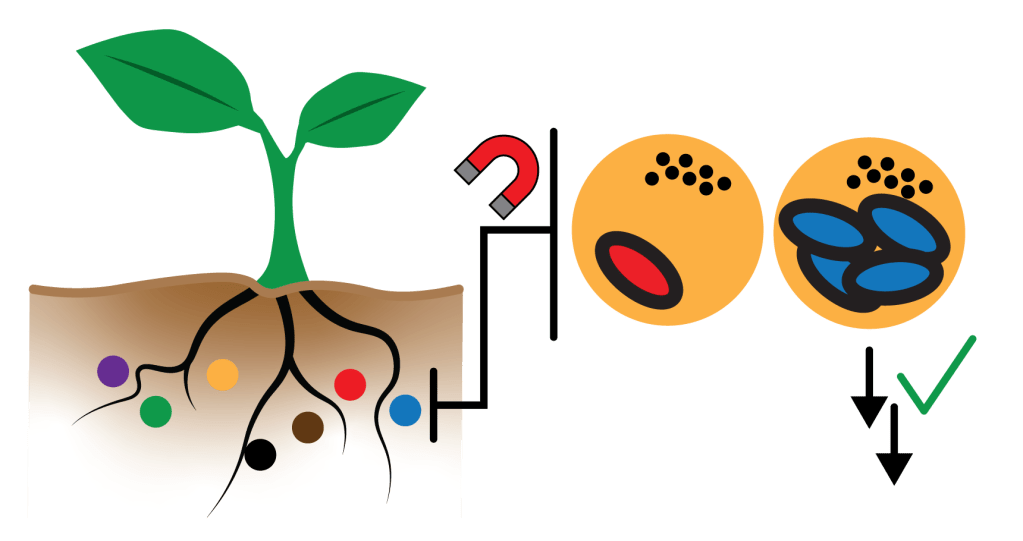
Microbial devices rely on genetically engineered cells. However, genetic circuits are typically designed and validated in ideal laboratory conditions and often break once deployed in the real world. This happens due to unaccounted-for metabolic and genetic adaptation to non-model environments. Given this natural tendency of cells, how do we ensure that our genetic designs will work in the target environment?
.
Read our recent work using genome mining to establish fungal peptide-GPCR as pathogen sensors robust to soil and blood: yeast biosensor
AREA 03: transferring information in/out of cells
I/O
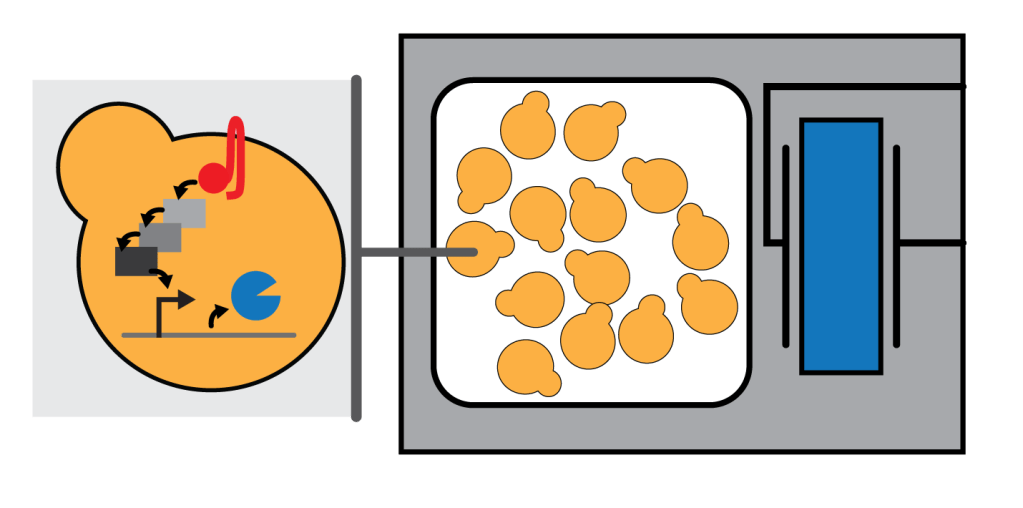
Microbial devices need to transfer information into and out of cells. However, many genetically engineered cells use chemical inputs and fluorescent protein outputs. While appropriate for interfacing cells with laboratory equipment, these I/O modalities are difficult to interface with microscale electronic devices. Given available electronic components, how can we most efficiently get information in and out of microbial cells?
.
Read our recent work using a bioluminescence-CMOS interface to wirelessly detect inflammation in the gut: ingestible microbial device
 el Microbial Integration Group